discover glass bottle suppliers south africa
The Craft of Glass Packaging: Enhancing Your Brand Using Sustainable Glass Bottles
The craft of glass packaging presents brands with a unique avenue for differentiation. By embracing sustainable methods, glass bottles elevate brand aesthetics and connect with sustainability-minded shoppers. Their intrinsic properties, such as recyclability and chemical inertness, reflect a dedication to quality standards. As companies move through this changing environment, comprehending the wide-ranging benefits and complexities of glass packaging proves vital for enduring achievement. How are brands leveraging creative approaches to capitalize on these benefits?
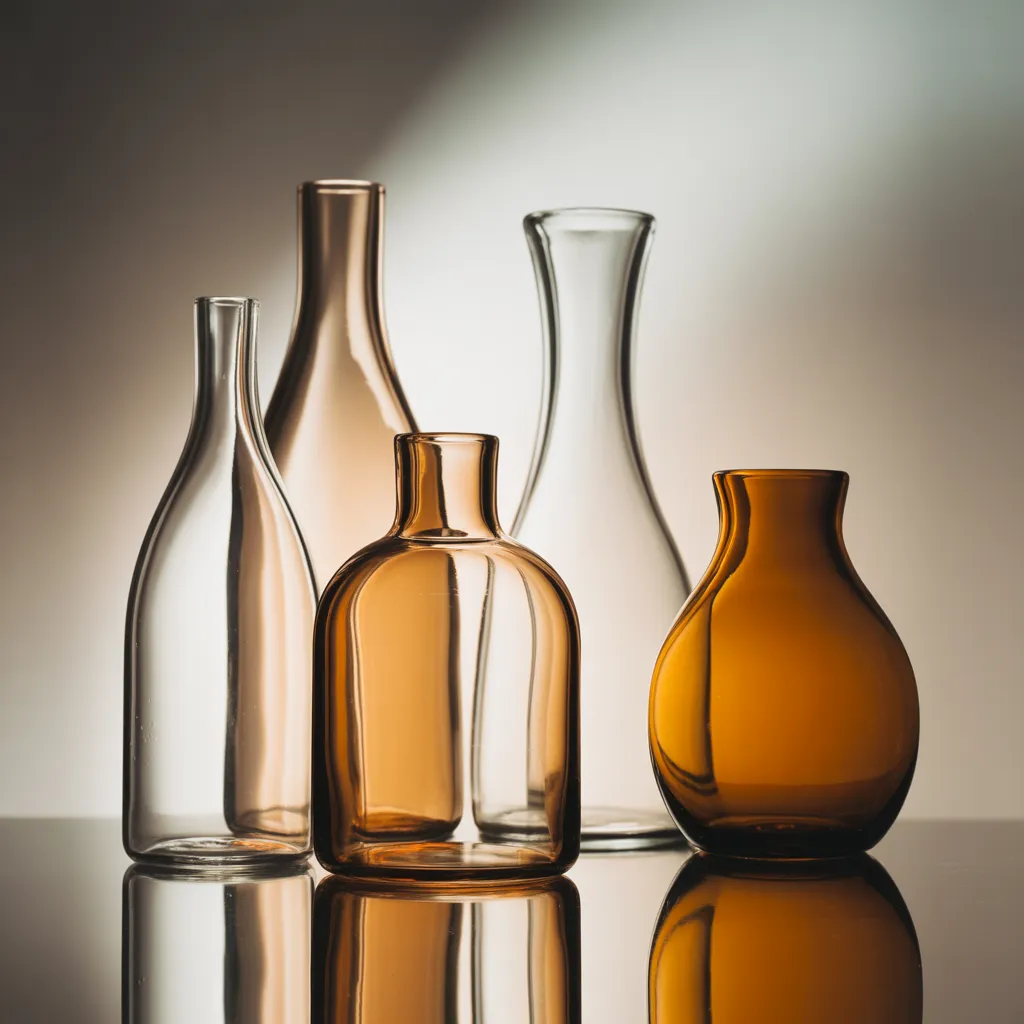
The Benefits of Choosing Glass Packaging for Your Brand
Choosing glass packaging can significantly improve a brand's image and sustainability efforts. Companies that choose glass packaging demonstrate a commitment to quality and premium experiences, resonating with sophisticated customers who appreciate aesthetic and functional attributes. Glass delivers a enduring and sophisticated look, enhancing a brand's recognizable image while providing a sensory experience that no alternative material can equal.
In addition, glass packaging creates a sense of cleanliness and security, as it is free from dangerous compounds frequently associated with plastic packaging. This decision can appeal to eco-aware shoppers who identify glass with sustainable behavior. Additionally, description its robust construction supports reuse, additionally affirming a brand's devotion to sustainable principles.
In a market placing greater emphasis on environmental impact, adopting glass packaging can set a brand apart fostering lasting loyalty and boosting customer confidence. Ultimately, this deliberate decision establishes brands as frontrunners in eco-conscious innovation and quality, aligning with modern consumer values.
The Eco-Friendly Advantages of Glass Bottles
Glass containers provide significant ecological advantages that differentiate them from alternative packaging options. They are completely recyclable, promoting a closed-loop economy where materials can be recycled endlessly without loss of quality. This property considerably decreases the demand for virgin materials, thereby minimizing material extraction and energy usage connected to production.
In addition, glass packaging is inert, meaning it does not seep toxic substances into its stored materials, ensuring more secure consumption. As opposed to plastic, glass does not promote microplastic pollution, which is a mounting environmental issue.
Glass bottle production also involves fewer greenhouse gas emissions when compared to plastic. As manufacturing processes have advanced, energy efficiency has improved, additionally minimizing the environmental impact associated with producing glass.
Innovative Designs That Enhance Glass Packaging
Unique aesthetics in glass vessels are transforming how items are presented. Unique shapes and structures not only enhance functionality but also capture buyer interest. Furthermore, vibrant color schemes further boost the overall appearance, making glass packaging distinguish themselves in retail spaces.
Unique Shapes and Structures
Creative concepts in glass packaging not only improve visual attractiveness but also play an essential role in brand differentiation. Original shapes and configurations can generate lasting impressions on consumers, making products stand out on crowded shelves. To illustrate, bottles with asymmetrical shapes or geometric patterns can generate fascination and stimulate consumer interest. Such distinctive designs often align with a brand's identity, solidifying its brand narrative and ideals. Additionally, original designs can boost practicality, such as easier handling or enhanced pouring. Organizations that embrace creative glass packaging solutions signal commitment to quality and sustainability, engaging environmentally responsible shoppers. By championing innovation in their packaging strategies, organizations can develop more profound ties with their target market, thereby boosting brand loyalty and expanding market visibility.
Visually Striking Color Palettes
Vibrant color palettes are fundamental in improving glass container aesthetics, turning everyday bottles into striking visual declarations. Through the thoughtful application of carefully selected colors, companies can stir feelings and craft lasting impressions for customers. Striking colors can indicate superior craftsmanship, whereas gentler shades can express refinement and elegance.
Furthermore, the application of multi-toned designs and gradients creates depth and visual interest, drawing attention on crowded shelves. Sustainable practices further enhance the appeal; eco-friendly dyes and finishes resonate with conscious consumers. At the core, the perfect color palette not only reflects a brand's identity but also reinforces its commitment to sustainability, making glass packaging a powerful tool for differentiation in a competitive market.
In What Ways Does Glass Packaging Improve Product Perception?
Glass packaging notably improves the perception of products through its premium feel and appeal, instilling a sense of elegance in consumers. The inherent transparency and optical clarity of glass provide a clear and unimpeded view of the contents, strengthening the perception of quality. Moreover, choosing glass complements sustainable brand positioning, attracting consumers who prioritize environmental responsibility.
Exceptional Feel And Appeal
The use of glass packaging significantly enhances the perceived value of a product, frequently linking it to quality and refinement. Customers often link glass with luxury, contributing to stronger brand dedication and positive consumer experiences. The tactile nature of glass, with its smooth texture and weight, creates a premium feel that plastic fails to reproduce. This sensory engagement creates a connection between the product and the consumer, cultivating a sense of excellence. Furthermore, glass packaging reflects a focus on sustainability, attracting eco-aware consumers. Therefore, companies using glass packaging can position themselves as premium options within their markets, appealing to thoughtful consumers who appreciate both style and sustainability in their buying choices.
Visual Clearness And Transparency
When shoppers come across products in glass containers, their impression is frequently elevated by the intrinsic visual see-through quality it delivers. This clarity permits interested shoppers to observe the item inside, creating an atmosphere of reliability and credibility. The see-through nature of glass not only reveals the product's caliber but also accentuates its color and feel, boosting aesthetic attractiveness. Additionally, the absence of labeling distractions on clear glass allows the product to take center stage, creating a more engaging shopping experience. Glass vessels can uplift brand standing by expressing a devotion to quality and skill. This transparency ultimately shapes buyer choices, encouraging a deeper emotional connection with the product and the brand.
Eco-Friendly Brand Positioning
Eco-conscious brands employ glass materials to strengthen their dedication to eco-friendly practices, effectively enhancing product perception. Glass communicates an impression of quality and refinement, setting a higher standard compared to plastic alternatives. This material not only emphasizes the ecological values of a brand but also attracts buyers who place importance on sustainable options. The tactile experience of glass—its weight and texture—further elevates the perceived value of the product. Additionally, the recyclability of glass aligns with the growing consumer demand for sustainable practices, fostering brand loyalty. By selecting glass, brands not only highlight their devotion to environmental stewardship but also present their products as top-tier selections, consequently developing a distinguished presence in a competitive industry.
Success Stories of Brands Using Glass Packaging
Numerous brands are succeeding by transitioning to glass packaging, showcasing its consumer appeal and dedication to environmental responsibility. To illustrate, a leading beverage company shifted to glass bottles, leading to a 30% increase in sales within a year. The change not only enhanced product visibility on shelves but also resonated with eco-conscious consumers, solidifying the brand's sustainability message.
A different beauty label made a successful switch to glass containers, considerably boosting its premium image. This transition attracted a loyal customer base who appreciates both aesthetics and environmental responsibility. Moreover, an artisan brewery incorporated refillable glass growlers, cultivating consumer trust and decreasing environmental impact. These case studies illustrate that glass materials not only fulfill customer expectations for sustainable options but also strengthens brand identity and market positioning. Such thoughtful selections reflect a growing trend among brands aiming to align their operations with sustainable practices while attracting today's environmentally aware shoppers.
How to Address Challenges in Glass Packaging
Steering through the complexities of glass packaging necessitates innovative strategies and a keen understanding of the market. Companies often face obstacles such as elevated manufacturing expenses, weight-related challenges, and breakability. To address these, organizations can implement cutting-edge production methods that reduce waste and improve product strength. Collaborating with suppliers to obtain sustainable resources also minimizes environmental impact while appealing to eco-aware consumers.
Another challenge concerns the complexities of shipping, considering the substantial weight of glass. Utilizing advanced logistics approaches, encompassing improved shipping methods and efficient packaging solutions, can reduce expenses and ensure product protection while in transit. Furthermore, raising consumer awareness regarding glass's superiority over plastic can build brand loyalty and stimulate demand. By implementing these methods, companies can surmount challenges in glass packaging and establish themselves as pioneers in sustainable practices, ultimately enhancing their brand image and market presence.
The Future of Sustainable Glass Packaging
As the demand for sustainable packaging continues to rise, the glass packaging industry is poised for transformative changes. Advancements in production methods are anticipated to improve energy performance, minimizing the carbon emissions tied to glass production. Moreover, the integration of lightweight glass bottles will establish itself as a major trend, reducing shipping emissions while preserving product quality.
Recycling programs will grow increasingly strong, with increased collaboration between manufacturers and municipalities to enhance the collection and processing of glass. Moreover, the incorporation of intelligent technology within packaging will facilitate improved clarity throughout the supply chain, enabling brands to showcase their sustainability efforts effectively.
Growing consumer demand for sustainable products will further accelerate the creation of personalized, attractive design solutions, blending practicality with aesthetic charm. As brands prioritize sustainability, the glass packaging industry is poised to transform its strategies, addressing wider ecological objectives while satisfying the demands of environmentally aware consumers.
Commonly Asked Questions
What Are the Costs Associated With Glass Packaging Compared to Plastic?
Packaging made from glass commonly involves increased expenditures owing to manufacturing, shipping, and recycling requirements when compared to plastic alternatives. However, it offers eco-friendly benefits and stronger brand positioning, which can justify the investment for some businesses.
What Are My Options for Customizing Glass Bottles for My Brand?
Brands have the ability to tailor glass bottles by using original forms, tones, and surface treatments. Engraving, labeling, and printing designs enhance brand identity. Working alongside vendors ensures alignment with sustainability goals without compromising both appearance and performance.
Are There Specific Regulations for Glass Packaging?
Certainly, dedicated regulations for glass packaging have been established, distinct to each region. Such regulations encompass safety standards, labeling requirements, and recycling guidelines, safeguarding consumer safety and environmental responsibility while promoting sustainable practices in packaging manufacturing and distribution.
What Are the Top Best Practices for Recycling Glass Bottles?
When recycling glass bottles properly, residents should wash them thoroughly to clear out any remaining contents, take off the caps, and separate them by color. Additionally, they should review community recycling rules for designated drop-off sites to make certain they are processed appropriately.
How Does Glass Packaging Impact Shipping and Logistics?
Glass packaging notably influences the shipping and logistics process by introducing increased weight and fragility, necessitating careful handling and specialized transportation. This often leads to increased expenses and more complicated supply chain operations when compared to lighter and more resilient materials.